

D3
6 Natural Foods Rich in Vitamin D3 for Strong Bones

6 Natural Foods Rich in Vitamin D3 for Strong Bones ?
Nutrition
Salmon Benefits
Salmon Benefits
Sardines & Calcium
Sardines & Calcium
Egg Yolk Nutrition
Egg Yolk Nutrition
Cod Liver Oil
Cod Liver Oil
Herring Fish
Herring Fish

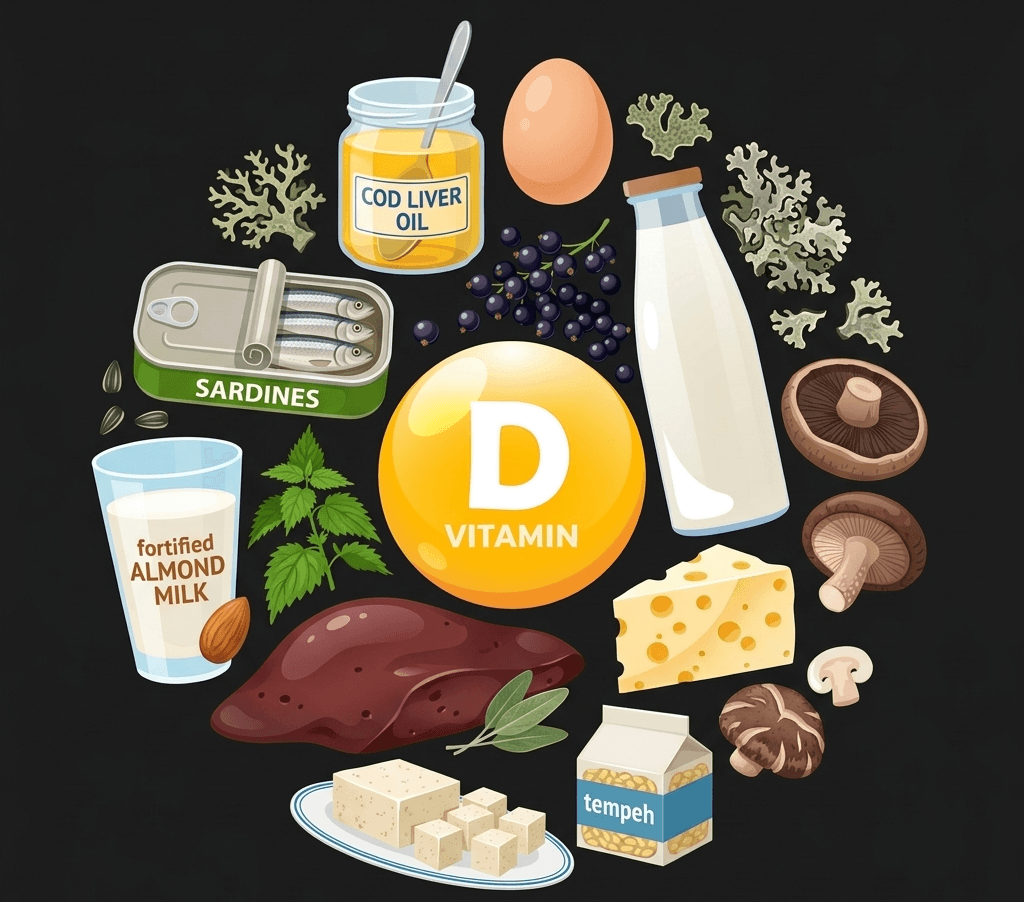
Vitamin D3 is essential for strong bones and overall health. While sunlight helps your body produce it, certain foods can also support your levels. Most natural sources come from oily fish and animal-based foods. Below are six foods that provide Vitamin D3 naturally.

Here's why your body needs 6 Natural Foods :

1. Why Salmon Rules

Salmon is a top-tier choice for getting Vitamin D3. Just one piece can give you almost all you need for the day. Wild-caught fish usually have even more of those healthy heart fats.

2. Little Sardine Boost

Sardines are tiny but they pack a huge punch. Since you eat the whole fish, bones and all, you get both Vitamin D3 and calcium. This is perfect for keeping your bones solid.

3. Eat the Whole Egg

The yellow yolk is where all the Vitamin D3 lives, not the white part. If you buy eggs from hens that spend time in the sun, you will get way more vitamins in every bite.

4. Old-School Fish Oil

Folks have used cod liver oil for ages because it works so well. One small spoon gives you a ton of D3. It also has special oils that are great for your brain and heart.

5. Healthy Beef Liver

Beef liver has a good bit of D3 plus iron to keep your energy up. Even if you aren't a big fan of the taste, it is a smart way to keep your body balanced.

6. Tasty Oily Herring

Herring is a fish that is naturally full of Vitamin D3. Whether you eat it fresh or pickled, it gives you the healthy fats your body needs to stay strong and feel good every day.


If you liked reading this, check out these!!

Vitamin D3 Deficiency: 6 Key Signs & Best Times to Test
Testing

Vitamin D3 Deficiency: 6 Key Signs & Best Times to Test

Ever wonder when the right time is to check your Vitamin D3 levels? Since deficiency often goes unnoticed, your body may show subtle signs before it becomes serious. Certain situations and symptoms can signal that your levels need attention. Here are six important times when you should consider getting your Vitamin D3 tested.

Read
Long-Term Health Risks of Low Vitamin D3
Health Risks

Long-Term Health Risks of Low Vitamin D3

Ever wonder what happens if your Vitamin D3 levels stay low for years without you noticing? While the early signs may seem mild, long-term deficiency can slowly affect multiple systems in your body. From bones and muscles to heart health and brain function, the impact can become serious over time. Here are six long-term health risks linked to low Vitamin D3 levels.

Read
Why Modern Life Causes a "Vitamin Gap"
Lifestyle

Why Modern Life Causes a "Vitamin Gap"

Ever wonder why so many people are low on Vitamin D3 even today? Modern life has quietly made it harder for our bodies to get enough. From spending all day indoors to covering up in cities, everyday habits are creating a hidden "vitamin gap." Here are the 6 most common reasons why.

Read
Vitamin D2 vs D3: Key Differences, Sources & Which Is Better
Science

Vitamin D2 vs D3: Key Differences, Sources & Which Is Better

Vitamin D comes in two main forms: D2 and D3. Many people think they are the same, but they work differently in the body and come from different sources. Knowing the difference can help you make better health choices. Below are a few simple points that explain how they compare.

Read
Vitamin D3 Deficiency and Constant Fatigue: 6 Warning Signs
Fatigue

Vitamin D3 Deficiency and Constant Fatigue: 6 Warning Signs

Feeling tired once in a while is normal. But when exhaustion becomes part of your daily routine, even without major stress or lack of sleep, your body may be missing something important. Low Vitamin D3 is often overlooked as a cause. Below are six common signs that could explain it.

Read
Vitamin D3 and Weak Immunity: 6 Warning Signs
Immunity

Vitamin D3 and Weak Immunity: 6 Warning Signs

Getting sick occasionally is normal. But if you're constantly battling colds, throat infections, or lingering coughs, your immune system may be under strain. One often-overlooked reason is low Vitamin D3. This nutrient plays a major role in immune defense. Below are six signs your body is finding it much harder to protect itself from everyday bacteria and germs.

Read
6 Additional Practical Steps to Restore Your Levels
Recovery

6 Additional Practical Steps to Restore Your Levels

Ever wonder why your Vitamin D3 levels don't improve even after trying supplements or getting some sunlight? The truth is, it's not just about intake — it's about how well your body absorbs and utilises it. Small daily habits, consistency, and the right balance of nutrients all play a crucial role in maintaining healthy levels. Here are six simple and effective ways to help your body use Vitamin D3 more efficiently.

Read
Understanding the Effects of Low Vitamin D3
Deficiency

Understanding the Effects of Low Vitamin D3

Did you know that one small vitamin can affect your entire body? Vitamin D3 is something a lot of people don't get enough of and most don't even realize it. When your levels drop too low, your body starts sending warning signs that are easy to miss. From feeling tired all the time to losing hair, here are 6 common signs you should never ignore.

Read
Why Your Body Needs Vitamin D3
Fundamentals

Why Your Body Needs Vitamin D3

Vitamin D3 is essential for overall health, supporting strong bones, a resilient immune system, healthy muscles, brain function, and hormonal balance. Adequate levels help maintain strength, immunity, focus, and long-term wellbeing, while deficiency can quietly impact daily health. Understanding why your body needs Vitamin D3 can help prevent problems before they begin.

Read